
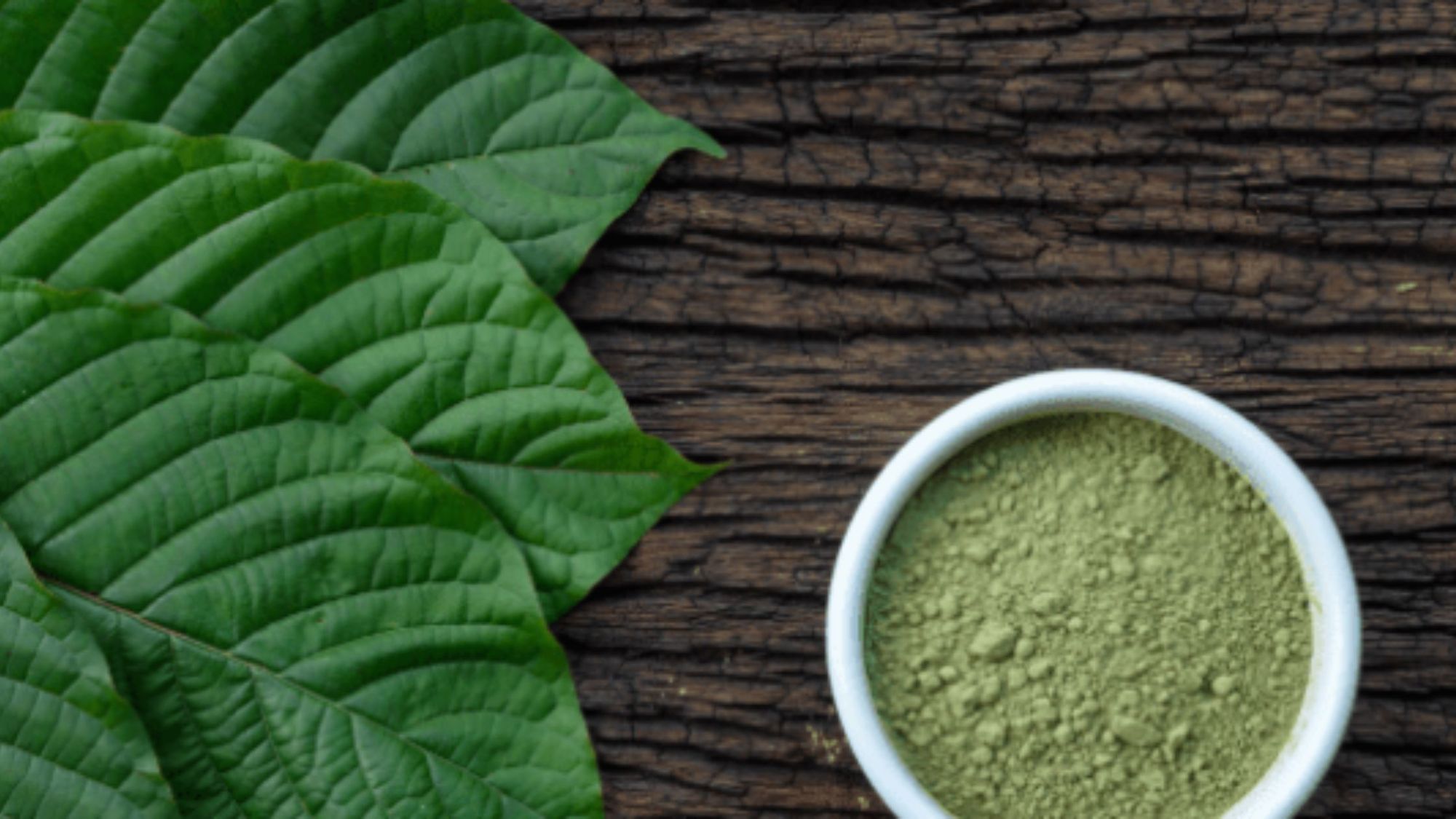
Curiosity around kratom keeps growing as users explore different formats for better results. One debate stands out: kratom powder vs leaf. Each form brings a unique experience, from strength to speed of onset. Some users chase fast effects, while others prefer a smoother ride. Picking the right form can shape the entire experience, so it helps to understand how each works before making a choice.
What Makes Powder and Leaf Different?
Kratom powder comes from dried leaves ground into a fine texture. This process increases surface area, which allows faster absorption. Users usually mix it into drinks or use the toss-and-wash method. The finer form helps release active compounds quickly.
Whole or crushed leaf, on the other hand, stays closer to its natural state. People brew it as tea or chew it. The structure remains intact, so the release of compounds happens at a slower pace. This creates a more gradual effect profile.
Why Powder Feels Stronger?
Several factors explain why powder tends to feel more potent. The main reason lies in how the body processes each form.
- Increased surface area
Powder exposes more plant material to digestive enzymes. This leads to quicker breakdown and faster release of active compounds. - Faster absorption rate
Once ingested, powder enters the system with less resistance. Effects can kick in sooner compared to leaf form. - Higher concentration per serving
A teaspoon of powder can pack more alkaloids than a similar volume of leaf. This makes dosing more efficient.
Why Leaf Offers a Milder Experience?
Leaf form still holds value, especially for users who prefer a balanced approach. It delivers a gentler experience with a slower build.
- Gradual onset
Leaf takes time to break down, so effects rise in a steady manner. This can feel more manageable for new users. - Traditional preparation
Brewing tea from leaves connects with long-standing cultural practices. The ritual itself adds to the experience. - Lower intensity per dose
Since the plant remains less processed, the impact feels lighter compared to powder.
In the kratom powder vs leaf comparison, leaf stands out for those who want control and a softer feel rather than intensity.
Absorption and Bioavailability Explained
Bioavailability plays a key role in how strong each form feels. Powder, due to its fine consistency, mixes well with liquids and digestive fluids. This improves the body’s ability to access active compounds.
Leaf requires more effort from the digestive system. Chewing or brewing helps, yet some compounds remain trapped in the plant structure. This reduces the overall impact per serving.
So, while both forms contain similar components, delivery efficiency sets them apart. This is a major reason why powder tends to deliver stronger effects.
User Preference and Practical Use
The choice between the two forms depends on personal goals and lifestyle. Some want quick results during a busy day. Others enjoy a slower, more relaxed session.
Powder fits users who value convenience and speed. It works well for precise dosing and quick preparation. Leaf suits those who enjoy tea rituals or want a lighter experience without sharp intensity.
The kratom powder vs leaf debate also includes taste and texture. Powder can feel gritty and strong in flavor, while leaf tea offers a smoother sip. These small details can shape long-term preference.
Final Thought
Both kratom powder and leaf come from the same source, yet processing changes how they behave in the body. Powder delivers stronger and faster effects due to better absorption and higher concentration. Leaf provides a steady, milder experience with a traditional touch.
The right choice depends on what you value more: intensity or balance. Understanding these differences helps you make a smarter pick in the kratom powder vs leaf discussion.